
Why Is LDPE Used for Plastic Bags?
Low-Density Polyethylene, or LDPE, is a versatile polymer widely used in making plastics, the first grade of polyethylene ever produced. But why is it so commonly used to make plastic bags and such a useful tool in plastic manufacturing?
In this article we’ll cover many aspects of LDPE and its uses, including:
- What LDPE is
- How LDPE is made
- What LDPE is used for
So, first up…
What Is LDPE?
As mentioned, low-density polyethylene (LDPE) is a grade of polyethylene that is hugely important in the production of plastic.
LDPE is a thermoplastic. This means that, when subjected to heat, the polymer will change shape and become mouldable, reverting back to a solidified state upon cooling. These changes don’t affect LDPEs structure or strength.
As its name suggests, LDPE is low density. This is due to the structure of the polymer being branching and thus containing many side chains. These side chains mean that its molecules aren’t very tightly packed, giving it this low density.
This lower density makes it a very versatile polymer, as it affords it a lower tensile strength and thus high flexibility compared to more dense polymers, such as High-Density Polyethylene (HDPE), which has a much more compact structure. This flexibility makes it useful for a range of applications, as LDPE is soft and flexible.
If you would like to know more read our guide on the differences between LDPE, LLDPE and HDPE.
How Is LDPE Made?
LDPE is made by compressing monomer ethylene gas at a very high pressure and high temperature in a reaction vessel, facilitating the linking of monomers into polymer chains, otherwise known as polymerization.
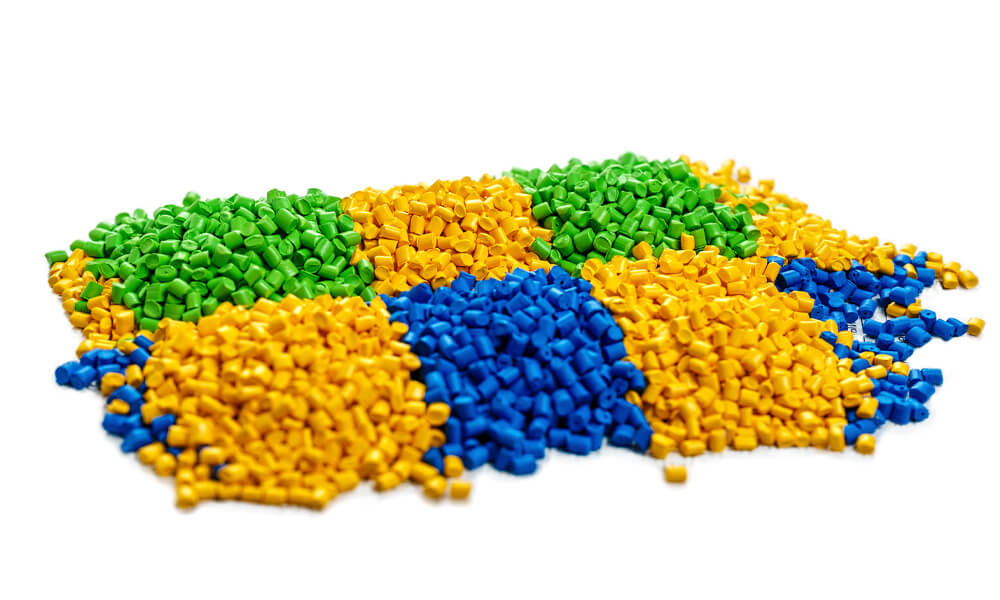
The molten polyethylene is then cut into pellets that are cooled in water. These pellets of LDPE can then be melted down and moulded into the desired shape, such as a plastic bag.
The Benefits of LDPE
1) Low Tensile Strength and Flexible
As mentioned above, LDPEs low density gives it low tensile strength, making it very flexible. To be more specific, this flexibility means it can be stretched considerably before it breaks, making it perfect for applications such as plastic bags, bin bags, plastic film and other forms of plastic packaging.
2) Durable
Though it has low tensile strength, LDPE is also surprisingly durable and impact-resistant. This means it is relatively good at protecting what it is enclosing, great for packaging items that you want to keep safe.
3) High Chemical Resistance
LDPE has high chemical resistance, meaning that it is able to withstand chemicals. It therefore has less chance of corrosion. This makes it particularly useful for food industries where it can be used to protect food and drink items. Its waterproofing capabilities are another reason it is great for the food and drink industries, keeping out moisture and an increased likelihood of keeping chemical contamination out.
4) Cost-effective and Economical
LDPE doesn’t require a lot of energy to produce, making it great for producing on-mass and in large batches, making it economical to produce too.
What Is LDPE Used For?
LDPE is used in a huge range of plastic products thanks to its numerous benefits, stretching across a range of industries. These uses include:
- Plastic bags
- Plastic containers
- Plastic bottles
- Plastic components for computers and other devices
- Stretch film
- Bubble wrap
- Food packaging
- Mailing Bags
- and more
LDPE In the Packaging Industry
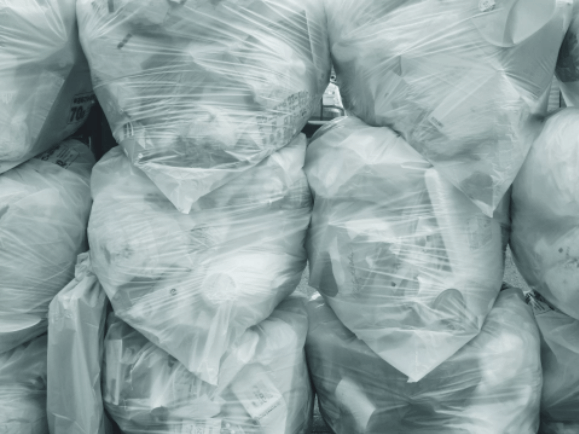
Due to LDPE plastic’s lightweight nature, flexibility, moisture proof capability, durability and its ability to be transparent, it is widely used in the packaging industry, being used to package goods as it is easy to mould to the desired shape and it will protect the product being transported.
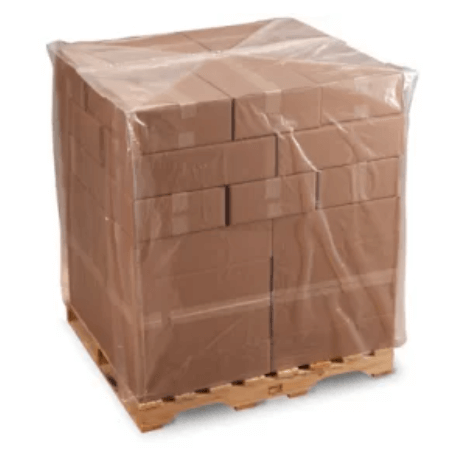
In the packaging industry, it can be used to make pallet covers, shrink films, stretch wrap films and much more.
Can LDPE Be Recycled?
Yes! LDPE is recyclable. By recycling it, LDPE gets a chance to be used again in another plastic item. This reduces energy used in producing new LDPE plastic, helping to reduce greenhouse gases emitted into the atmosphere.
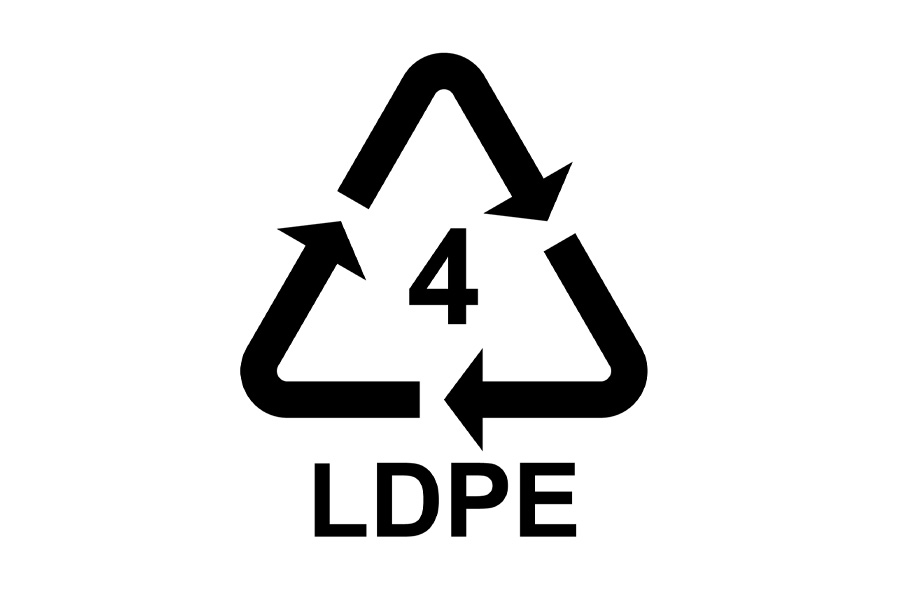
However, it often can’t be recycled in curbside bins and needs to be taken to specific centres. Flexible plastics are less likely to be recyclable curbside, while more rigid forms of LDPE are easier to recycle. Check with your local authority as to whether you are able to recycle LDPE at home. To identify LDPE items, look out for this recycling symbol:
With it being one of the most common forms of plastics used, it is important it is recycled properly.
With LDPE plastic all covered, we hope you’re now all clued up! If you have any questions or want to find out more about LDPE and how we use it at Polyflex, don’t hesitate to get in touch, or explore our range of products.
Latest Posts


